Tag Archives: In Praise Of

In Praise Of: Z.

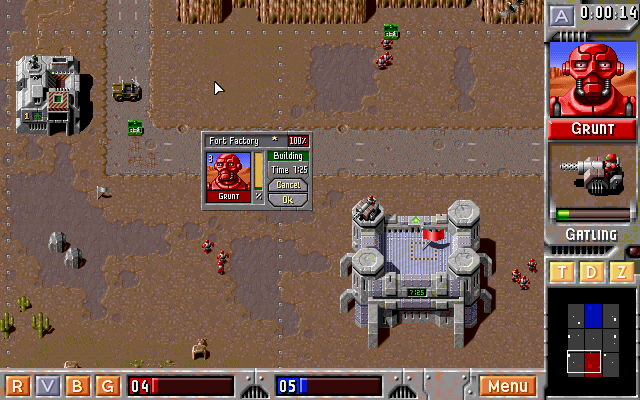
Ah, Z. A game all but forgotten by the annals of gaming history; an unconventional RTS released in the wake of C&C’s runaway success that would deserve its obscurity but for one curious quality: Z foreshadows most of the new and revolutionary gameplay mechanics of RTSes which were released a decade later. Now matter how pretty the graphics or detailed the slaughter of titles like Dawn o fWar and Company of Heroes, Z not only got to the territory control mechanic nearly ten years before they did, it actually took a damn good stab at it. By 1996 standards, anyway.

Continue reading

Tagged , ,

In Praise Of: Baldur’s Gate.


Yes, Baldur’s Gate. Not Baldur’s Gate 2, or Throne of Bhaal. Baldur’s Gate. The original, and (I think) the best, although there’s not much to separate the two in terms of quality.

Continue reading

Tagged , ,

In Praise Of: Command & Conquer.

Wait, Command and Conquer? The game that sold hundreds of thousands of copies back in the day? The game that kickstarted the RTS genre as an actual discrete thing and spawned a franchise that is still being flogged to this day, seventeen years later? That Command and Conquer? It’s hardly a forgotten classic, so why would I be talking about it here?

Continue reading

Tagged , , , , ,

In Praise Of: Jagged Alliance 2 and the 1.13 Patch.

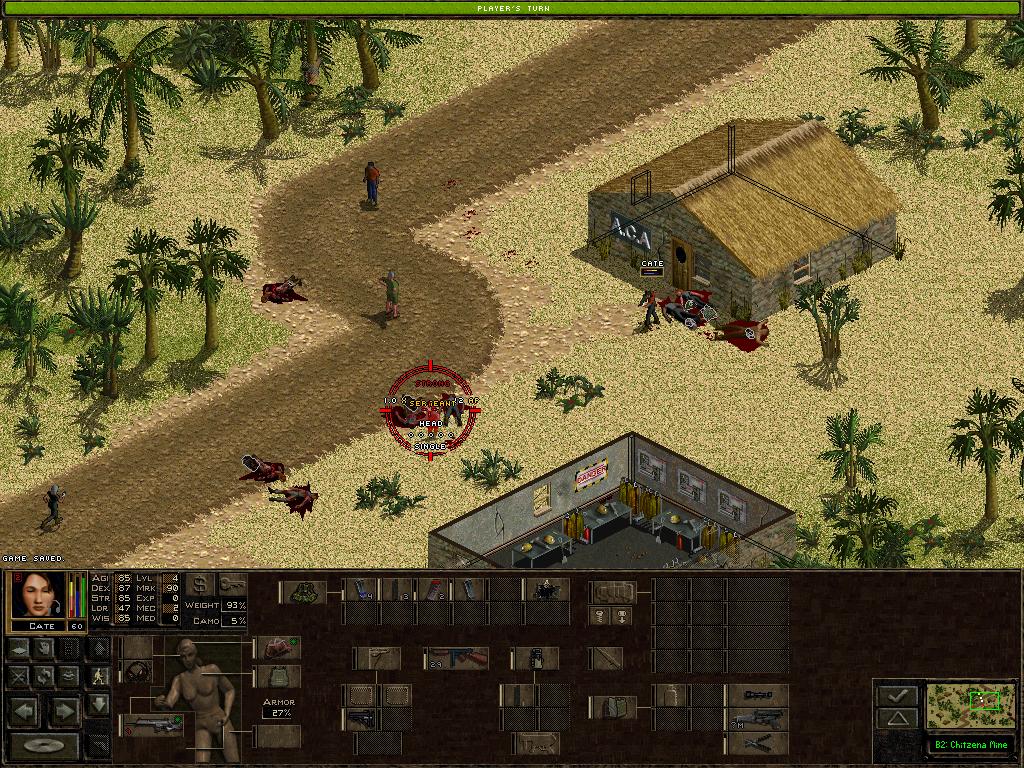
Anyone who has been following my excited jabbering on various forums and Steam will have known this article has been coming for a while. The recent release of Jagged Alliance: Back in Action continues the trend of “remakes” and “updates” of beloved old games being unable to resist tinkering with the formula that made the original so successful. The UFO: Afterdinnermint games introduced real-time action with pauses and were widely perceived as mediocre at best; the third game in the series made the bizarre choice to remove permanent soldier death, which is something I view as being fundamental to the squad tactics format. Silent Storm retained the turn-based format and was loved as a result, right up until the panzerkleins reared their ugly heads. And now there is Jagged Alliance: Back in Action, a remake of Jagged Alliance 2 that missed the point so badly it actually removed the fog of war at one point. By all accounts it isn’t offensively bad, just remarkably unremarkable, and if it didn’t have the Jagged Alliance name attached to it it’d probably be getting a much better reception. Unfortunately when you stick the name “Jagged Alliance” on your game and you say it’s a direct remake of what is only the second-best squad tactics game ever by a razor-thin edge, you’d better make bloody sure that it lives up to its heritage. Comfortable mediocrity just isn’t going to cut it, especially when your 2012 game actually looks worse in some respects than the 1999 original.

Continue reading

Tagged , , ,

In Praise Of: Mega Lo Mania

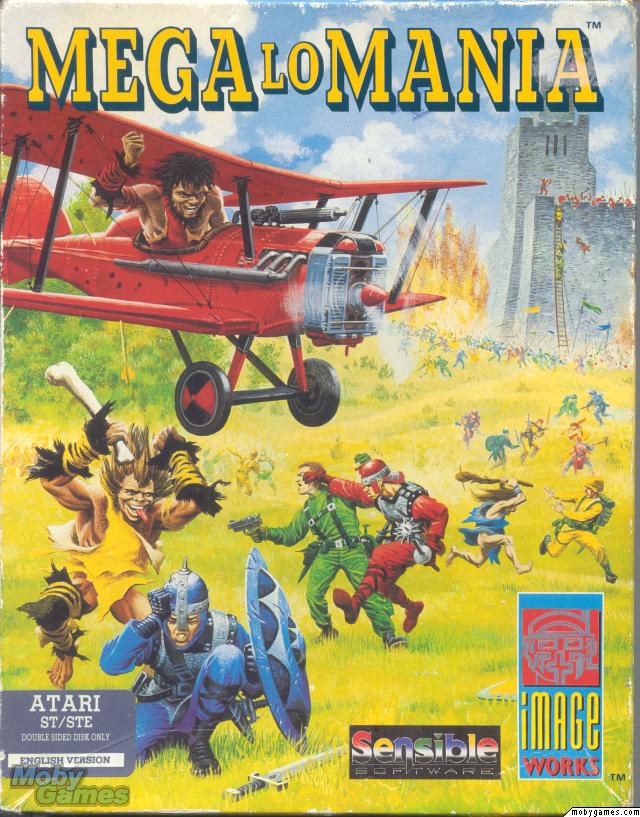
Waaaay back in the early nineties – let us say pre-1993 and Doom — the PC was something of a duff gaming platform in the UK. Computers had yet to become standardised, Windows was not yet ubiquitous, and whenever somebody writes an article about those dark days they inevitably fall to reminiscing about DOS installers and IRQ settings while muttering “You weren’t there, man,” to anyone who asks why the hell they went to all that trouble when the games console renaissance was in full swing. PCs tended to be used for beardy games like RPGs and simulations since the beardy were the only ones obsessive enough to make the sodding things work. If you wanted innovation and excitement in your gaming life you didn’t buy a PC. You bought an Amiga instead.

Continue reading

Tagged , , , ,

In Praise Of: Microprose Manuals.

Sitting on my desk just across from me is my copy of the original Civilization manual. It’s a relic of a bygone age: 129 pages long; written in a single language meaning all 129 pages are relevant; and just chock-full of information about how best to play the game. Twenty years ago this is what manuals for complex strategy games like Civilization had to be – while the game had what was for the time a very advanced in-game encyclopedia and tips system, dedicated interactive tutorials that taught the player to play as they played were not yet a thing. They couldn’t be; games came on a couple of floppy disks and computers and development philosophy were not yet mature enough to implement that sort of advanced feature.

Continue reading

Tagged , , , ,

In Praise Of: Bungie Software, Part Two.

This finishes up my history of Bungie during the pre-Halo years; the first part can be found here.

Part Two: Myth.

Myth is a game that is remembered for all the wrong reasons. I suspect this is at least partly down to a marketing misstep on Bungie’s part, as it was the first ever 3D strategy game and that was the element they subsequently played up in all the previews. This was a mistake; the 3D in Myth is kind of janky and horrible and doesn’t really add much to the gameplay, and what’s more the game uses 2D sprites to represent its units which doesn’t exactly help it in the looks department. As a result the first Myth game was critically panned1 as a failed experiment. Some of that criticism is fully deserved – Myth’s gameplay is, to me, a fascinating tactical challenge, but I can easily see how it would have provoked feelings of revulsion in reviewers used to the Command & Conquer RTS paradigm – but I would be willing to bet a fair amount of money that those critics didn’t get too far into the game before dismissing it out of hand. Because, once again, Bungie have turned what is otherwise a merely fairly solid game into far more than the sum of its parts through the addition of a well-told story.

Continue reading

Tagged , , , ,