Shifting this week’s post to Wednesday, probably, Thursday, definitely, since I need a little more time to digest Age of Wonders.

Like I said in the Diablo 3 review two years ago: this is going to be complicated.

Shifting this week’s post to Wednesday, probably, Thursday, definitely, since I need a little more time to digest Age of Wonders.
Like I said in the Diablo 3 review two years ago: this is going to be complicated.

I promise this is the last FPS I’ll review on this blog for at least a month.
Even though it’s only the second game I’ve played to do it, Shadow Warrior is still proof that including Stan Bush’s The Touch as what you think is a knowing wink to the ‘80s generation (i.e. your target audience) is already a cliché.
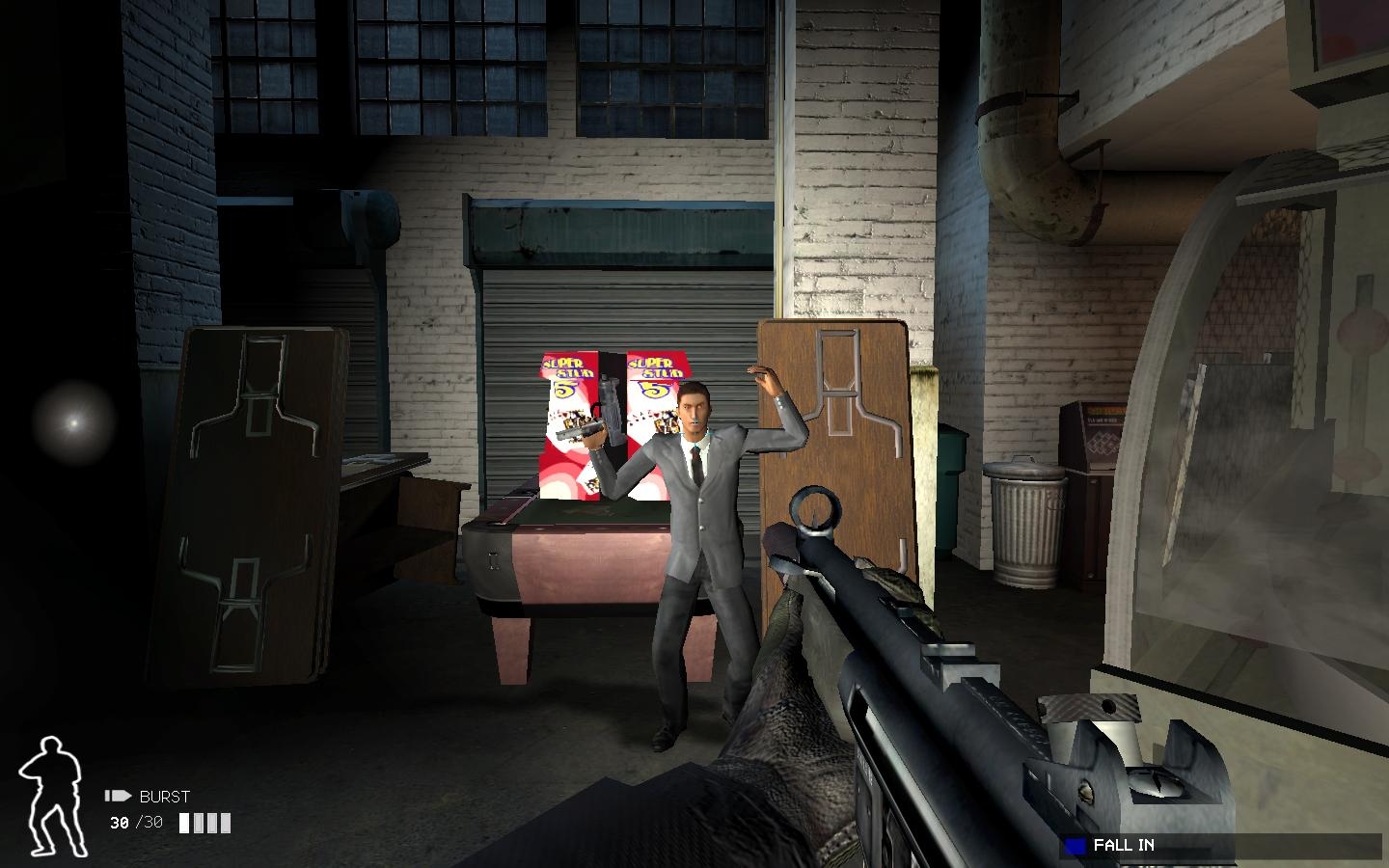
“POLICE! HANDS IN THE AIR!”
You get to hear that phrase a lot in SWAT 4. You and your squadmates will scream it several dozen times per mission. For once this isn’t because of a very limited number of stock responses a la the Elder Scrolls, and neither is it an amusing audio bug; instead, you want to be announcing your presence as loudly as possible when you enter a room. You want hostages to stay down, you want armed criminals to surrender, and most of all what you don’t want is to shoot a gunman without warning them first, because the SWAT series are the only games I’m aware of that have actual honest-to-god rules of engagement.

This was never going to end well. You can’t resurrect a franchise that’s near-legendary in its ability to make those who played it at the time wax nostalgic about Hammerites and Taffers and expect to please both those people and the new audience of console gamers that this new Thief is designed to attract. Last time that happened we got Thief: Deadly Shadows, and despite being a decent game in its own right it’s something that gets looked down on a lot for not being as good as the originals. When you look at it that way, Thief wins the smallest of victories: it isn’t quite as bad as I was expecting, and I don’t completely hate it. Thief is an okay stealth game, and if its development had gone smoothly I dare say we might even have gotten something on the level of Deadly Shadows out of it. Unfortunately its development didn’t go smoothly (you don’t take five years to make a game like this without fucking up badly at several points along the way) and so Thief ends up being something more like The Bureau: it’s a hodgepodge of ideas and mechanics thrown together into something whose shortcomings and general lack of polish ensure that it’s far less than the sum of its parts.
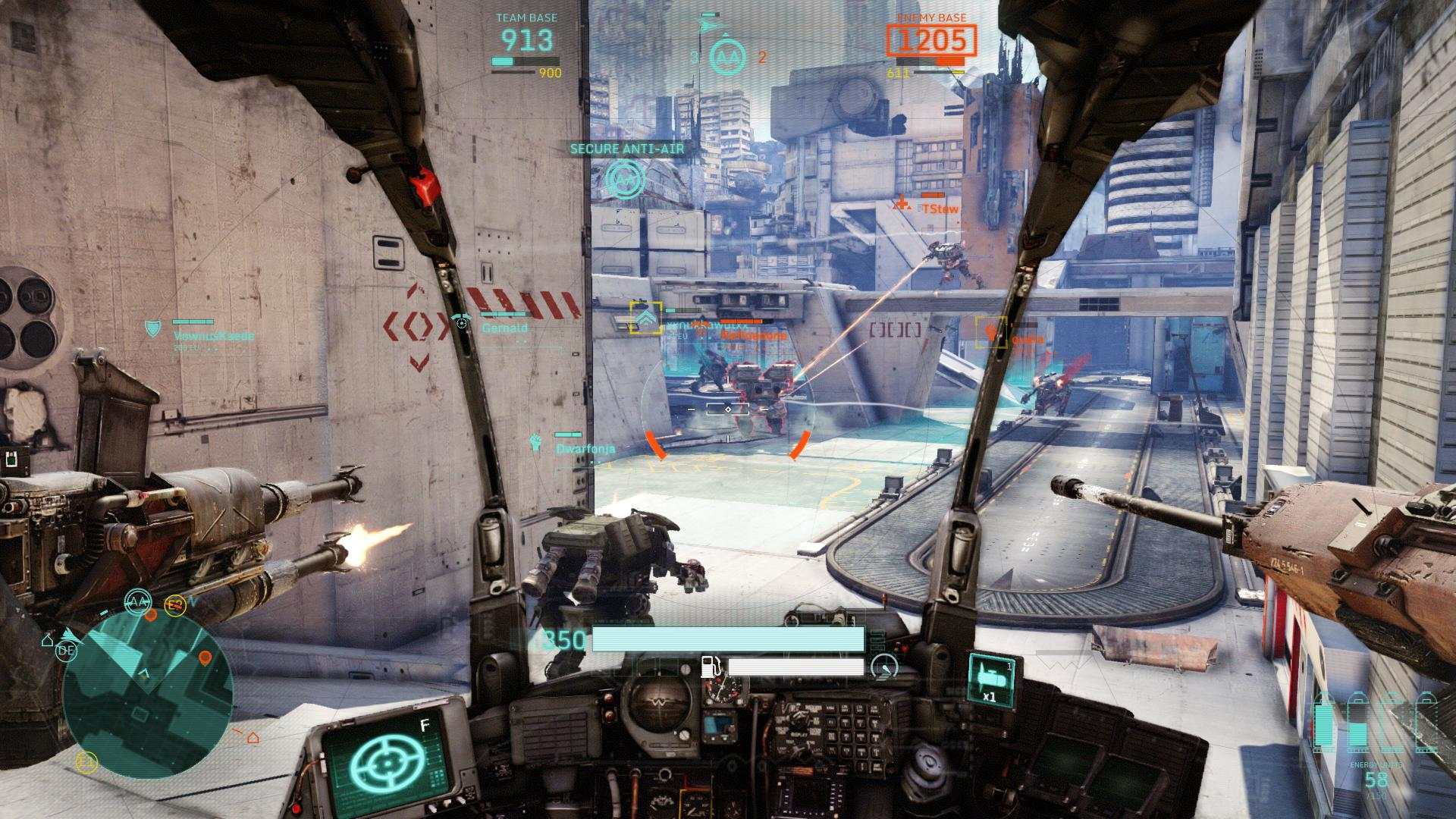
I’ve reviewed a fair few free-to-play titles on this blog over the last couple of years. Planetside 2, Tribes: Ascend, Mechwarrior Online, War Thunder, Hearthstone – no matter how grindy or grasping their economies turned out to be, what these games all had in common was an engaging core experience. Any one of them was a game I’d have been happy to sink a large quantity of my free time into on the basis that playing it, even without paying for it, was just so damn fun. This is the key to PC free-to-play: you have to make that core gameplay element – the one that exists outside of the level treadmill and continual trickle-trickle of soft and hard currency that forms the cornerstone of any F2P economy – fun for everyone who plays it, not just those who have paid money. If people are having fun, and spending a lot of time in your game as a consequence, then spending money on it will seem like the most natural thing in the world. Each of the above games (with the possible exception of Tribes: Ascend) grasped this concept, and grasped it well. Along with World of Tanks they convinced me that PC free-to-play was a viable model for both players and developers who weren’t Valve, and since then I’ve been happy to give other free-to-play games a spin without any prejudice whatsoever in the hopes that they’ll provide me with even a fraction of the fun that their predecessors did. This is how I came to play Hawken, and after several hours with it I kind of wish I hadn’t.

Potentially controversial opinion time: I don’t like Might and Magic:Legacy very much.
