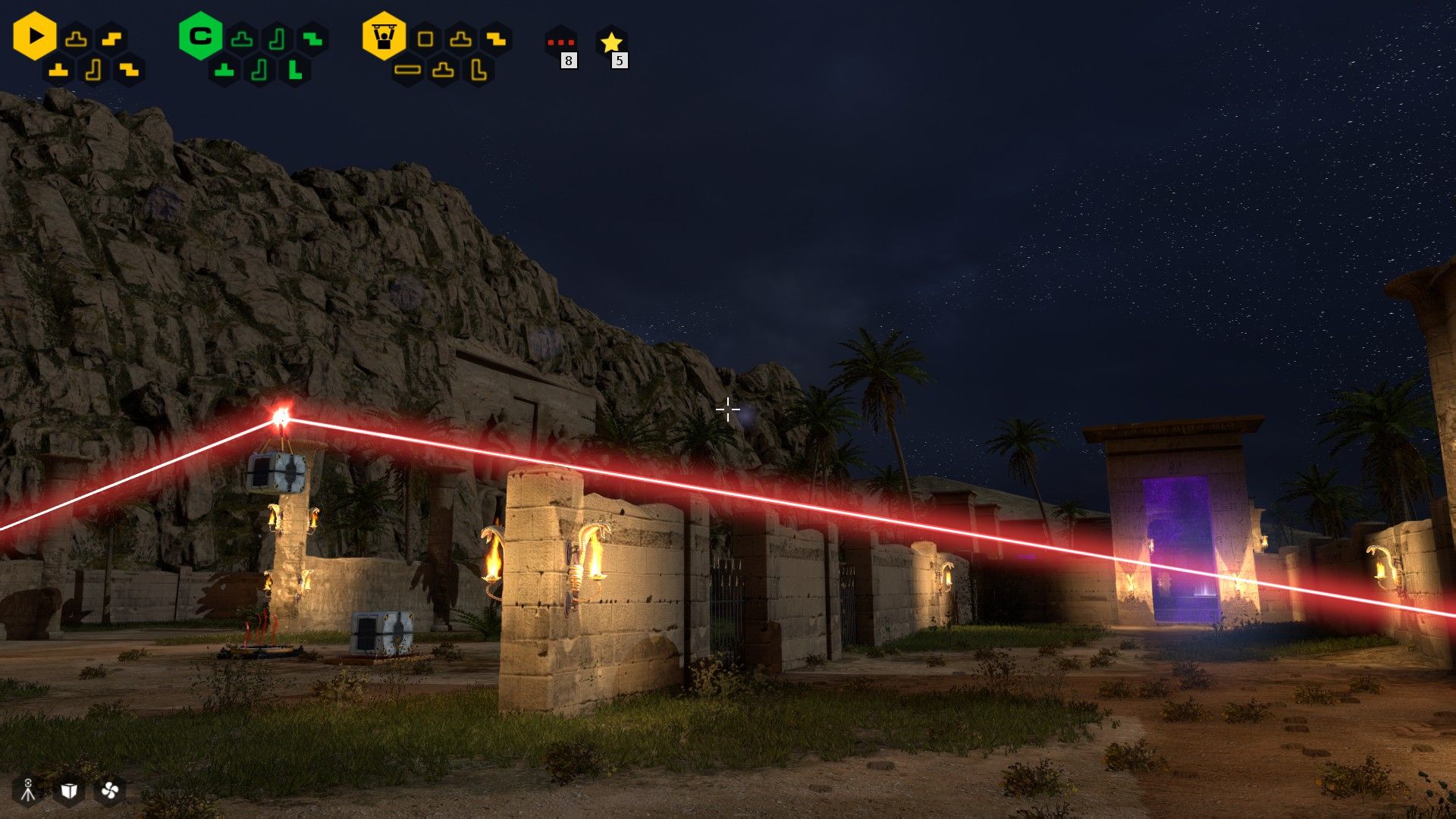
In which Croteam answer the question of what they’ve been doing since Serious Sam 3 kinda bombed with one of the most exceptional puzzlers I’ve ever played.

In which Croteam answer the question of what they’ve been doing since Serious Sam 3 kinda bombed with one of the most exceptional puzzlers I’ve ever played.
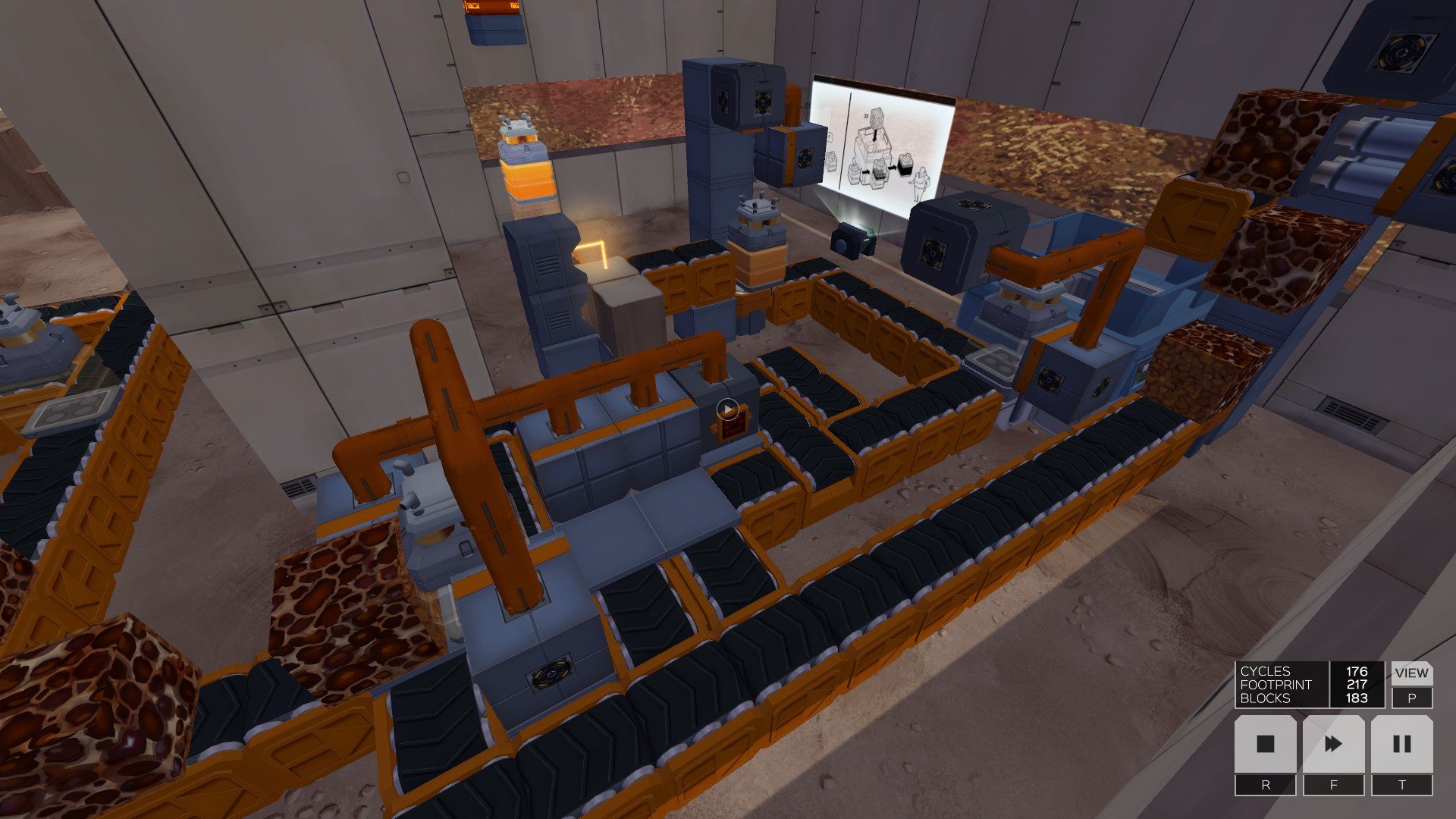
It feels somewhat dismissive to call Infinifactory “SpaceChem – but in 3D!”, but that’s exactly what it is – indeed, that’s exactly what it’s marketed as in the Steam blurb:
LIKE SPACECHEM… IN 3D! Design and run factories in a first-person, fully 3D environment.
In fairness to Zachtronics they did make SpaceChem, and so in describing their third mass-market game this way they’ve just saved me a whole lot of bother trying to sum up what Infinifactory is about. It’s SpaceChem. But in 3D.

Say what you like about game developers in the ‘90s, but they at least knew how to name their games. Look at any list of releases from just about any year in that decade and you’ll find any number of punchy, pithy, interesting-sounding titles. Doom, Warcraft, Civilization - of course the fact that these games are all classics lends their names a certain familiarity and ease with which they roll off the tongue, but you’d have trouble convincing me that Command & Conquer wasn’t a genius name for the game that popularised the RTS genre. It’s three words and five syllables elegantly structured in such a way that they almost perfectly sum up the product they’re attached to. They’re catchy. They stick in the mind. They’re memorable, so much so that twenty years later just saying them will evoke fond memories of that opening GDI beach assault. They also evoke something that’s been a little bit lost in the intervening two decades; an attitude towards strategy that I wouldn’t exactly call more thoughtful or relaxed, but certainly slower. Starcraft popularised an emphasis on frenetic micromanagement that gradually became dominant throughout the genre, to the point where even the later C&C games aped it (to their great detriment), but there’s a lot of people out there who miss the older, more languid style of Command & Conquer, and would very much like it if somebody made a modern game in that now almost-retro style of RTS.

Heroes of the Storm represents something of a departure from Blizzard’s usual M.O for releasing new products. For the last twenty years their strategy has been the same: identify a market that is suitably zeitgeist-y but which is not yet saturated; do a crapload of market research and design experimentation to figure out what makes it so popular; and then make their own entry into the genre which is far from revolutionary, but which is so accessible and refined in terms of mechanics and highly polished in terms of production values that they establish dominance over the market, or at least a significant share of that market. It’s been that way ever since Warcraft II, and the most recent example — Hearthstone — is doing just as well as you’d expect by carving out a huge portion of the virtual CCG market on both PC and mobile. Blizzard like to operate from a position of strength; they’ve always been pretty good at design (even if they do occasionally make fucking stupid decisions like the Diablo 3 auction house) but if there’s one thing that makes them so good at what they do, it’s that they have the time and the resources to do it properly where other developers might feel pressured by financial constraints or publisher deadlines.

Apologies for the lack of posting over the last month. I wasn’t dead, I was playing Witcher 3.
It’s so rare these days that I play something that actually lives up to the hype.

It’s been a little difficult to find the time and motivation to write recently so posts may be somewhat more infrequent over the next couple of months.
When you say the words “expansion pack” to me, the things that immediately spring to mind are the classic expansion packs in the RPG and strategy genres. Yuri’s Revenge, Throne of Bhaal, Lord of Destruction — it’s a list that stretches on and on. Given the great success of the idea here it’s easy to forget there was once a time when the FPS expansion pack was just as popular, starting with basic Doom WADs and continuing on through the Quake and Half-Life expansion packs to Call of Duty: United Offensive, which was the last really high-profile one. FPSes have since experimented with episodic content and smaller bite-size chunks sold as DLC, but while the RPG/strategy expansion pack concept lives on thanks to the sterling efforts of developers such as Firaxis and Blizzard, first-person shooters have pretty much discarded full-on expansion packs as a decidedly old-school idea.
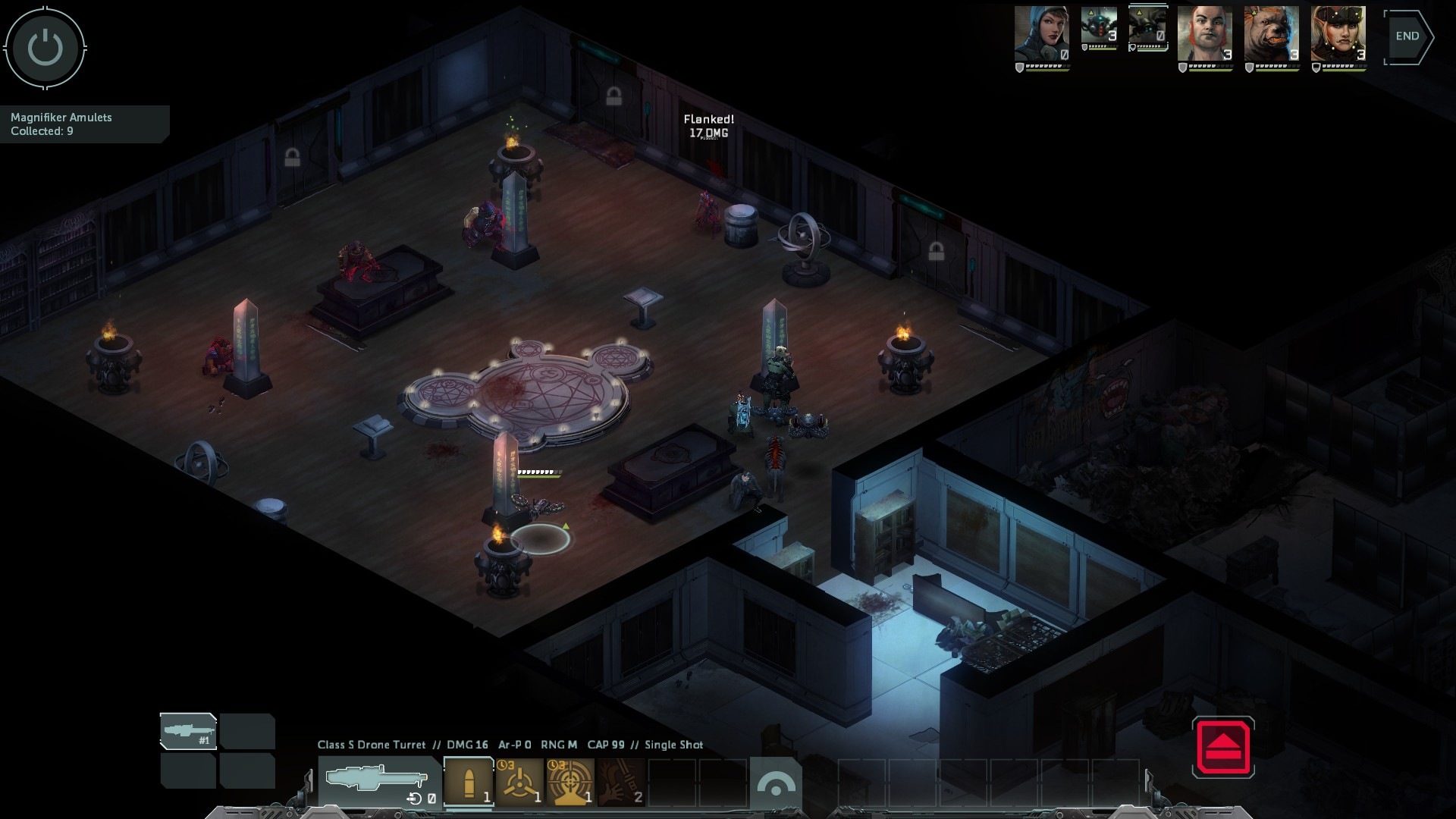
I’m coming to Dragonfall rather late. Originally a stretch goal for the original Shadowrun Returns Kickstarter campaign, Dragonfall was first released as an expansion back in February 2014. I did play it at the time, and got about halfway through before burning out, something I’ll blame on it coming out a little too hot on the heels of Shadowrun Returns for my tastes. Even then, though, I could see that Dragonfall was a significant cut above the game it was supposed to be expanding on. Partly this was because Harebrained Schemes had had time to fix most of the bugs and technical limitations I complained about in my original review, but mostly it’s because they — gasp! — also took the opportunity to iterate and expand on the structure and mechanics on their second go around. Harebrained obviously knew they had a winner on their hands because they took the additional time to polish Dragonfall up, overhaul the interface and bulk out the weaker areas of the expansion so that they could release it as a standalone game. And the resulting Director’s Cut is very good indeed.